From Persia's Noble Roots: Iran's Strategic Role Amidst Conflict
The ancient land of Iran, historically known as Persia, stands at a critical juncture in early 2026. A nation steeped in millennia of rich history, cultural grandeur, and strategic geopolitical significance, it now navigates an unprecedented period of internal instability and overt conflict. From the noble roots of its Aryan ancestors to its modern incarnation as a theocratic republic, Iran's journey has always been one of profound influence, shaping not only West Asia but the wider global landscape. Today, as the region grapples with escalating hostilities and an acute energy crisis, understanding Iran's multifaceted identity and pivotal role is more crucial than ever.
Iran's Enduring Legacy: From Aryan Origins to Modern Nation
The very name "Iran" resonates with a deep historical pride, tracing its lineage back to the Proto-Indo-Iranian term
arya-, signifying "noble" or "of one's own kind." This powerful ethnic self-designation was adopted by the Indo-Iranian peoples who migrated to the Iranian plateau between 2000 and 1500 BCE, laying the foundational stones of a civilization that would endure for millennia. In the sacred Zoroastrian texts of the Avesta, composed around 1500–1000 BCE, the term
airiia- specifically referred to the Iranian tribes, with their mythical homeland beautifully named
Airyanəm Vaējah, the "Expanse of the Aryans." This concept not only marked a geographical origin but also solidified a collective identity among these ancient groups.
This noble lineage continued through the grand empires of antiquity. In Old Persian, the language of the mighty Achaemenid Empire (c. 550–330 BCE), the term manifested as
ariya-. King Darius I, in his monumental Behistun inscriptions (522–486 BCE), proudly declared himself an
ariya and
ariya čiça, meaning "of Aryan lineage." While Achaemenid rulers often used
Pārsa (Persia) to denote their core territory, encompassing broader Iranian lands under various terms, the genitive plural form
Aryānām was frequently used to refer to the collective Iranian nobility and their vast realm. This distinction highlights a fascinating interplay between a broader ethnic Iranian identity and specific regional or imperial designations.
The more familiar name "Persia," especially in Western discourse, derives from the ancient region of Pars (modern-day Fars). This geographical term evolved through successive stages of the Persian language: from Old Persian
Pārsa, to Middle Persian
Pārs, and eventually New Persian
Pārs. The Greek form Περσίς and its Latin counterpart "Persia" originated from this Old Persian term, initially referring only to the Persian heartland before becoming the widely adopted name for the entire country in the Western world. Today, while officially known as the Islamic Republic of Iran, the historical and cultural resonance of "Persia" continues to evoke its rich artistic, architectural, and literary heritage, reminding the world of a civilization that has profoundly influenced human history.
A Geopolitical Nexus: Iran's Strategic Command of West Asia
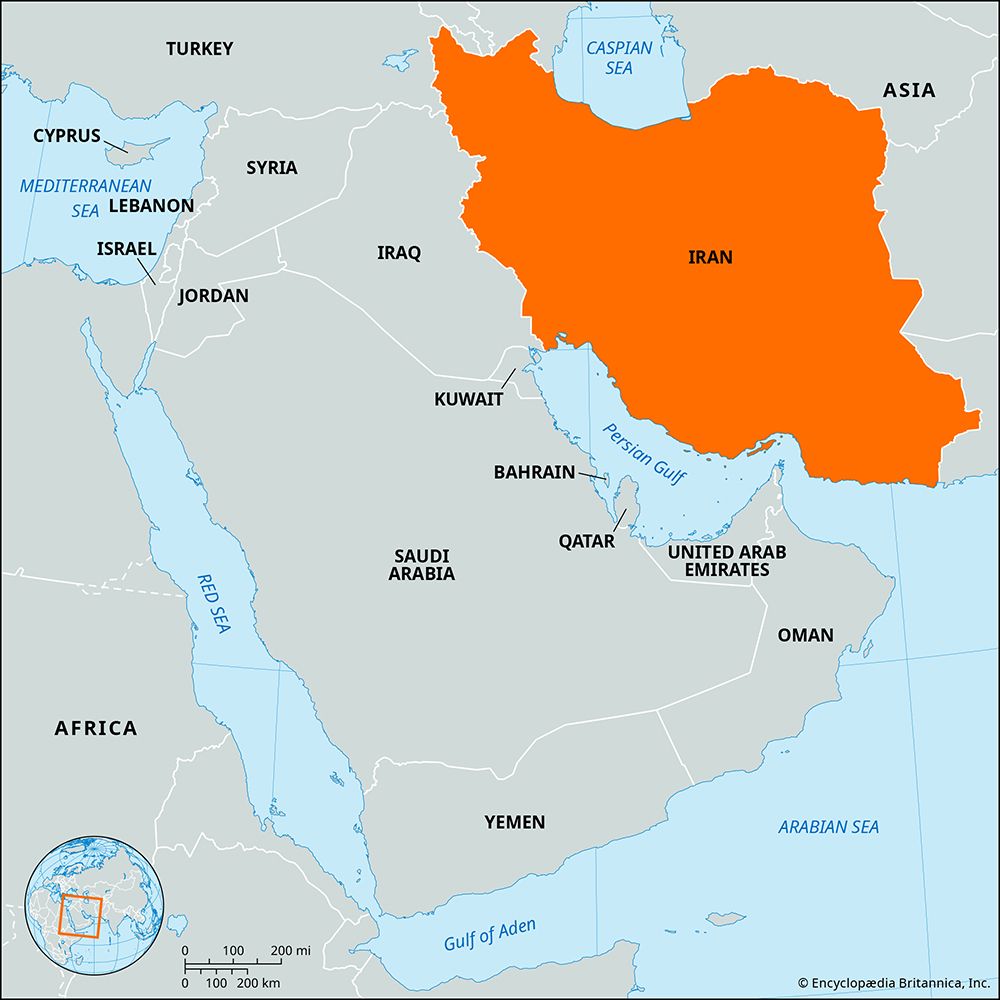
Spanning an impressive 1,648,195 square kilometers, Iran is a geographic behemoth in West Asia, boasting a population of over 85 million as of 2026, with its vibrant capital, Tehran, serving as its largest city and economic hub. Its strategic location is arguably its most defining geopolitical feature, positioning Iran as a crucial pivot point for regional and global powers. The country shares extensive borders with Afghanistan, Armenia, Azerbaijan, Iraq, Pakistan, Turkey, and Turkmenistan, effectively serving as a land bridge connecting Central Asia, the Caucasus, and the Middle East.
However, it is Iran's command over vital waterways that elevates its strategic importance to an international level. It fronts the Persian Gulf and the Gulf of Oman, which funnel into the Strait of Hormuz – a narrow chokepoint through which a significant portion of the world's seaborne oil supply passes daily. Control, or even the threat of control, over this strait gives Iran immense leverage in global energy markets and international politics. Furthermore, its northern coastline along the Caspian Sea, the world's largest inland body of water, provides additional economic and geopolitical influence.
Geographically, Iran is a land of dramatic contrasts. Rugged mountain ranges, including the Alborz and Zagros, traverse much of its landscape, creating natural barriers and diverse ecosystems. Vast, arid deserts dominate its interior, while limited arable land primarily hugs the northern and western regions. This diverse climate and uneven resource distribution have historically shaped Iran's population centers, agricultural practices, and infrastructure development. The challenges of water scarcity, for instance, are perennial and profoundly impact its long-term stability and economic planning.
Tip: Understanding the Strait of Hormuz: For global businesses and policymakers, monitoring the geopolitical stability of the Strait of Hormuz is paramount. Any disruption can lead to immediate and significant spikes in global oil prices, affecting everything from transportation costs to manufacturing. Its status as a critical chokepoint makes Iran's regional actions of keen interest to energy-importing nations worldwide.
The Theocratic Republic: Power Dynamics and Current Instability
Modern Iran’s political landscape was fundamentally reshaped by the 1979 Islamic Revolution, which famously overthrew the Pahlavi monarchy and established the Islamic Republic. This pivotal event ushered in a unique governance model founded on the doctrine of
Velayat-e Faqih, or "Guardianship of the Jurist." Under this system, the Supreme Leader holds ultimate authority, exercising decisive power over major state institutions, military command, and critical domestic and foreign policy decisions. This structure places religious authority at the apex of political power, distinguishing Iran from most other nations.
As of early 2026, Iran is navigating an unprecedented and severe political crisis. The assassination of Supreme Leader Ayatollah Ali Khamenei on February 28, in coordinated military strikes by the United States and Israel, has plunged the nation into profound uncertainty. This event has not only created a power vacuum at the very top of Iran's political structure but has also triggered a high-stakes succession race among various factions within the ruling elite. The inherent opacity of Iran's political system makes predicting the outcome of this race incredibly challenging, fueling internal instability and raising concerns about the potential for widespread unrest.
The Supreme Leader's death has immediate implications for the delicate balance of power among Iran’s various institutions, including the Islamic Revolutionary Guard Corps (IRGC), the conventional army, the judiciary, and the various clerical establishments. These bodies, while ultimately subservient to the Supreme Leader, exert significant influence and represent distinct power bases. The process of succession, typically managed by the Assembly of Experts – a body of 88 high-ranking clerics – is now under intense international scrutiny. The choice of the next Supreme Leader will undoubtedly shape Iran's future trajectory, influencing its foreign policy, domestic reforms, and regional posture for decades to come. To delve deeper into the complexities of this transition, readers are encouraged to explore
Iran's 2026 Political Crisis: Succession Race & Global Tensions and
Theocratic Republic in Turmoil: Iran's Future Post-Khamenei Assassination.
Navigating the Storm: Iran's Conflict and Global Ramifications
The assassination of the Supreme Leader has ignited a direct and severe conflict, with the "war with Iran" entering its third week. Israeli forces have reportedly mounted new waves of strikes in both Iran and Lebanon, significantly escalating regional tensions. This direct military engagement marks a dangerous shift from the previous era of proxy conflicts and targeted sanctions, signaling a new and unpredictable phase in West Asian geopolitics.
In response to the escalating crisis, particularly concerning global energy security, President Donald Trump has called upon other nations to join the United States in sending warships to the Strait of Hormuz. This move aims to secure critical shipping lanes and mitigate the deepening energy crisis. Energy Secretary Chris Wright, while predicting the conflict might conclude within weeks and energy prices ease, offered a cautious outlook, stating, "there’s no guarantees in wars at all." Indeed, surging oil prices, though currently labeled a "short-term disruption," pose a significant threat to global economic stability.
The U.S. government has underscored its concern by ordering the deployment of thousands of Marines to the Middle East and issuing urgent warnings for Americans to leave Iraq. Non-emergency U.S. government employees have also been instructed to evacuate, signaling the serious and rapidly deteriorating security situation in the region. The conflict threatens not only the immediate combatants but also casts a long shadow over international trade, diplomatic relations, and the stability of the entire global system.
Fact: Global Oil Market Impact: The current conflict highlights the profound vulnerability of global oil markets to West Asian instability. Even a short-term disruption in the Strait of Hormuz can trigger supply shocks, leading to price volatility that impacts consumers and industries worldwide. Diversification of energy sources and strategic petroleum reserves become critical during such periods.
Conclusion
From its ancient origins as a land of noble peoples to its modern-day role as a powerful, yet embattled, theocratic republic, Iran's strategic importance remains undeniable. Its unique blend of deep historical identity, pivotal geographical location, and a distinctive political system continues to shape its destiny and that of the world. The current confluence of internal instability following the assassination of its Supreme Leader and the external pressures of direct military conflict creates an incredibly volatile situation. As the world watches, the trajectory of Iran in the coming months and years will not only determine the fate of its 85 million citizens but will profoundly influence the future of West Asia and the intricate web of global politics and economics. Understanding Iran's enduring roots and its contemporary challenges is not merely an academic exercise but a critical necessity for navigating an increasingly complex and interconnected world.